

Women, wealth, and investment decisions
, 4 minutes
Women are still less likely to invest than men – often it’s not because they lack capital but because they’re more cautious. A 2025 study by Lucerne University of Applied Sciences showed that 61% of the male respondents invest compared with just 43% of the women. In fact, women are often very successful investors. But those who generally leave their savings in their bank account are forgoing returns and long-term wealth accumulation. “That’s why it’s crucial for women to actively consider investment solutions,” says Amanda Senn, Private Banking Client Advisor at Zuger Kantonalbank.

Image: © Adobe Stock, Jacob Lund
Amanda, have you found that women are less likely to invest than men?
Yes, absolutely. In my experience, men are more likely to invest and often express interest in an investment consultation where we can discuss markets and new investment ideas.
Why do you think women are more cautious about investing despite having capital available?
Historically it’s often been the case that men were more likely to deal with investment matters than many women. But in my day-to-day role as Private Banking Client Advisor, I find that women are increasingly active in terms of closing this gap. A lot of women come to me with very clear, long-term thinking on the subject – and that constitutes a great basis for a successful investment strategy. That’s precisely where our advice comes in – by helping to translate this solid thinking into specific, appropriate investment decisions.
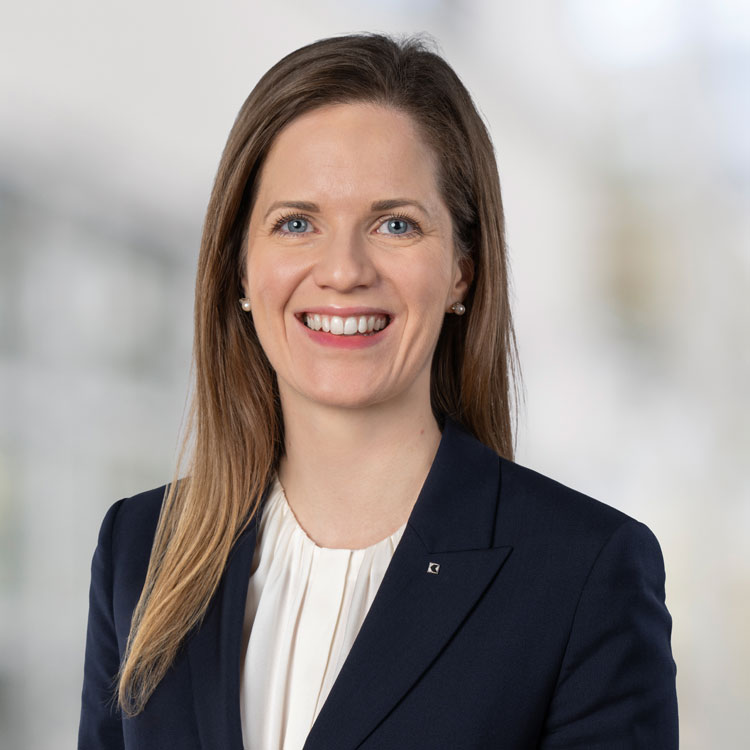
"Investment has traditionally been seen as “men’s business”. However, women are increasingly closing the knowledge gap, with more and more of them now taking charge of their own financial affairs."
Amanda Senn, Client Advisor Private Banking
It’s great to see that women are increasingly dealing with investment matters. It’s an important step towards ensuring financial independence and security. What specific opportunities do you think women are missing out on because they don’t invest?
Failing to invest can bring considerable disadvantages for women in the long term – especially when it comes to financial protection in later years. Many – though not all – women are more likely to have career breaks than men, for family reasons or due to part-time work. At the same time, inflation is continuously eroding the purchasing power of the money in their account. By failing to invest, they’re missing out on the chance to systematically increase their wealth and provide for the future. What’s more, independent financial decision-making enables women to actively and independently determine their individual circumstances.
Are there any differences in the way women and men invest – in terms of strategy or time horizon, for example?
In my view there’s no one answer to that question. I encounter lots of different scenarios, and I tailor my advice to the client’s individual requirements. What matters is whether the strategy matches their own personal circumstances and objectives.
How do you help female clients get over their caution and start investing?
I take them through the process step by step, starting with their values and personal goals. Building on this, we define their individual risk profile in order to formulate an appropriate investment strategy. For me, it’s important to ensure my clients understand the contexts, weigh up the opportunities and risks carefully, and feel confident about their decision. This enables them to make their decisions with complete conviction – thus abandoning their caution and investing strategically on an independent basis.
"My advice? Be brave! The first step is often the most difficult one – but it’s worth it. Make sure you have a clear overview of your financial situation and goals. I’ll be pleased to help you find the right investment strategy."
Amanda Senn, Client Advisor Private Banking
Source: Lucerne University of Applied Sciences, study “Anlegen und Vorsorgen in der Schweiz – eine ganzheitliche Betrachtung” (Investment and Pension Planning in Switzerland – a Comprehensive Overview), 2025

Sara Gonçalves
Until July 2026, Sara Gonçalves worked as a university intern at Zuger Kantonalbank,
assisting the Marketing and
Communication team. Her tasks included organising events, working in the social media field and writing blog
articles. In her free time, Sara likes being outside in the countryside or doing things together with friends and family.
Travel is also one of her passions. She has already visited many impressive places around the world that she finds
amazing.