

Successful wealth management: structure over gut feeling
, 6 minutes
Investing means taking clear decisions. Anyone wishing to accumulate wealth in a targeted manner needs a clear strategy, systematic implementation and a partner who retains an overview at all times. This is where wealth management comes in: You hand responsibility over to an experienced team – and gain time, structure and security. In this interview, Dominik Binder, Private Banking Client Advisor, explains to Ina Gammerdinger, Head Content Marketing and Events, why this is not a luxury.

Image: © Adobe Stock
Many people address the topic of “investing money” intuitively but not in a really structured way. Why is professional wealth management worthwhile?
Dominik: Because it provides order, clarity and security. Anyone wishing to accumulate or retain wealth is faced with many decisions. Professional wealth management relieves the client of this burden – without them losing control. At the outset we clarify the client’s goals, investment term, understanding of risk and financial situation. Only then do we define the strategy. In this way, we ensure that the assets are managed to suit the client’s personal needs – with transparency, comprehensibility and a clear plan.
You mentioned goals. How does this process actually work?
Dominik: First of all, we talk openly about future plans: home ownership, children’s education, safeguarding quality of life and retirement too. The more exactly these goals are formulated, the easier it is to develop a precise investment strategy. In a second step, we create the investment profile. We analyse the client’s risk appetite, risk capacity, investment horizon, knowledge and experience. Then there’s the ESG focus – meaning the role sustainability should play. That sounds technical but is really very human. It’s all about how people tick, what’s important and how many fluctuations someone can really tolerate.
Risk capacity and risk appetite: Many people confuse these two terms. What’s the difference?
Dominik: Risk appetite is subjective. It shows how a person reacts emotionally to market fluctuations. Risk capacity is objective and measurable: It’s determined by a person’s income, assets, liquidity reserve, obligations and time horizon. Only when both sides fit is a robust strategy created. If someone is very risk-tolerant, for example, and doesn’t leave much room for their financial obligations, caution is called for.
A key element of advice is the “three-pot strategy”. How does it work?
Dominik: It puts the assets in order as they are structured on a time horizon:
Pot 1 – liquidity
Capital that remains available at all times in order to cover ongoing costs and unexpected expenses.
Pot 2 – planned use
Funds to be used in the years to come, for instance for retirement or larger acquisitions.
Pot 3 – long-term growth
Assets that have time on their side and can therefore be invested in a more concerted manner – often this is the capital that will be passed on to the next generation.
This structure creates calm. Clients know that sufficient liquidity is always available, while their long-term assets can be put to work at the same time.
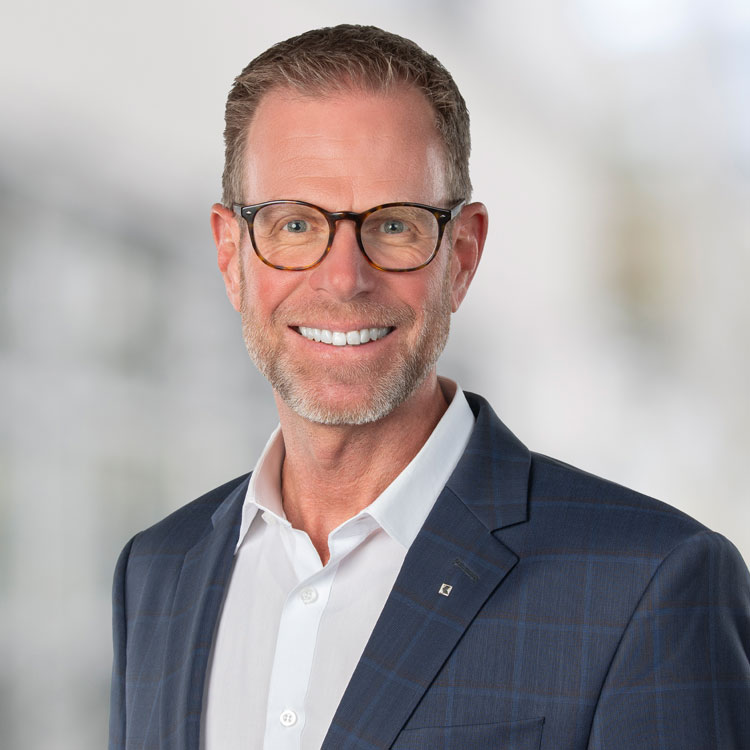
“Someone who reallocates in a hectic manner often misses the best recovery days.”
Dominik Binder: Private Banking Client Advisor
How important is diversification?
Dominik: More important than ever. Markets move quickly, geopolitical topics affect investment classes, and technologies open up new opportunities. Diversification spreads the risk across different regions, sectors and asset classes. The portfolio is thus more stable, as no one development determines success or failure. With professional wealth management we ensure that this diversification is always implemented systematically – even if people’s emotions would otherwise lead them to make spontaneous decisions.
Many people underestimate the significance of continuous monitoring. What happens in the background?
Dominik: A team of experts continuously analyses markets, data, trends and risks. We check daily to see if the investment decisions still make sense and we adapt them if necessary. Clients receive comprehensive reports including publications and performance overviews. And once a year we hold a personal strategy discussion. If the person’s life situation has changed, we adapt the strategy without delay. Wealth management isn’t a static process; it’s about active management.
Many people react nervously when markets fall. What do you advise in times like this?
Dominik: Patience. Historically, markets have always recovered after a correction. Short-term emotions are often poor counsellors. Someone who reallocates in a hectic manner often misses the best recovery days. That’s why a clear strategy is so important; it prevents decisions driven by emotion and ensures that clients benefit over the long term.
And on the subject of emotion: What else do you have to say about it?
Dominik: Emotions play a huge role in investment. Many people act impulsively when markets are nervous. Fear leads to sell-offs, and that’s often exactly when a counter-trend sets in. Corrections rarely start when the sun is shining but rather in the midst of thunder and rain. That’s the image I pass on to my clients.
And I make a clear distinction: Risk appetite shows how emotionally a person reacts. Risk capacity is objective and depends on the person’s assets, income, obligations and time horizon. Only when both fit is a strategy viable. That’s ultimately what convinces many people to choose a mandate.
What are the specific advantages of a wealth management mandate?
Dominik: It provides structure and relieves them of the burden:
- Individually tailored investment strategy
- Continuous monitoring by experts
- Systematic implementation of diversification
- Transparent costs
- Comprehensive reporting
- Compliance with international GIPS* standards
- Access to research, market analyses and expertise
In brief, clients gain time, clarity and security.
*A brief explanation of GIPS®
GIPS® are global quality standards for performance presentation and measurement. They increase transparency and comparability – a plus for all investors.
And for people who wish to invest on their own?
Dominik: They can make use of our digital E-Invest offering. Clients can use it to implement their strategy on their own – simply, intuitively and online at all times. It’s for anyone who wants to stay active and still be able to rely on a clear structure.
And finally, what’s particularly important to you about wealth advice?
Dominik: I’d like every person to have a solution that really suits them. Wealth is something very personal. It’s not just about returns but about life goals. My aim is to support clients based on a partnership approach – by being committed, honest and having a clear view of what’s really important to them.
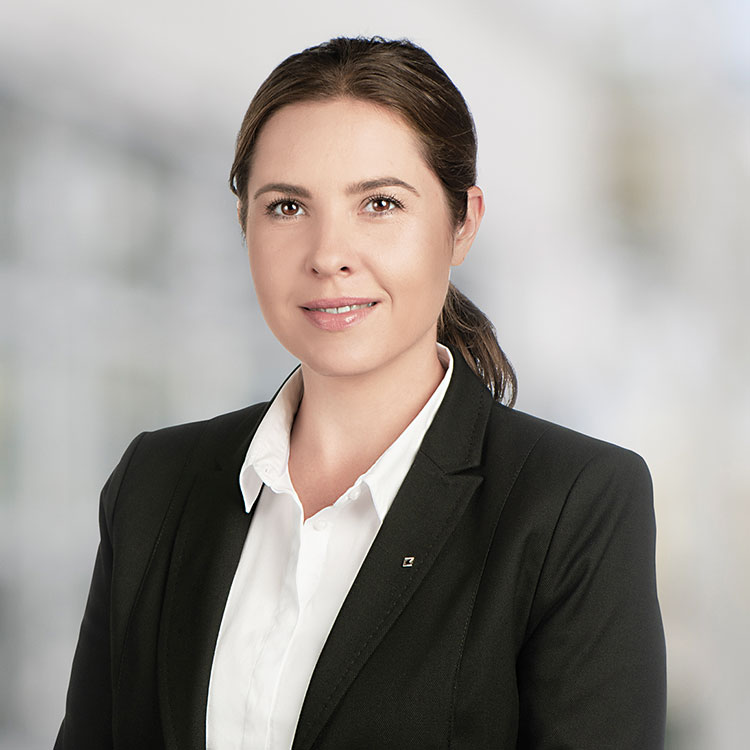
Ina Gammerdinger
Ina Gammerdinger, Lead Content Marketing and Events at Zuger Kantonalbank, ensures that people learn more about key topics. Her tasks in the area of campaign and brand management focus, among other things, on the themes of “investing” and “future provision”. She ensures that her campaigns are inspiring and generate added value for people living in the Zug region. That's why she regularly contributes her tips to the #ZugerKBlog.
More posts from Ina Gammerdinger